On the average day for an insurance carrier, independent adjuster firm, or third-party administrator, routing and assigning claims in a timely manner can be a struggle. From streamlining First Notice of Loss (FNOL) to managing disparate data across various systems, there are many points along the way where staff members can get overwhelmed and customers can become dissatisfied.
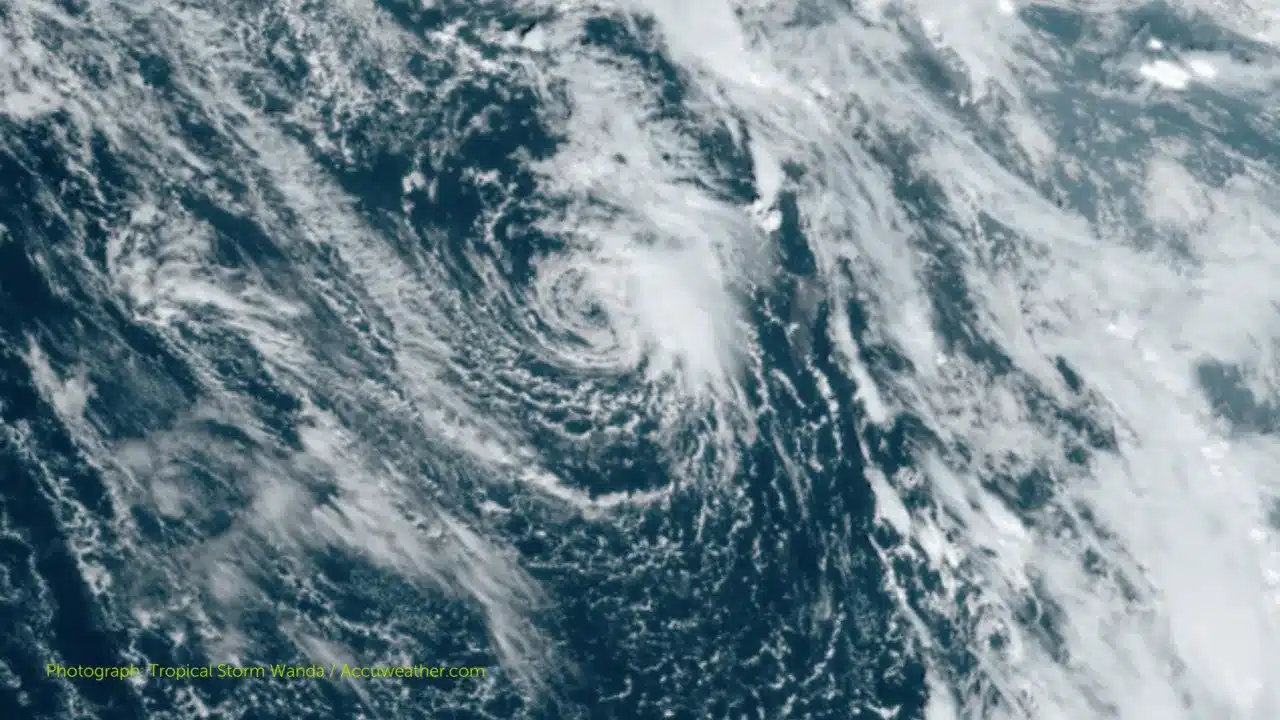
Add to that a large catastrophic (CAT) event like a hurricane or several mini-CAT events like hail, floods, wind, and tornadoes, and the situation becomes untenable as claims surge. No wonder claims operations teams are stressed during CAT season every year.
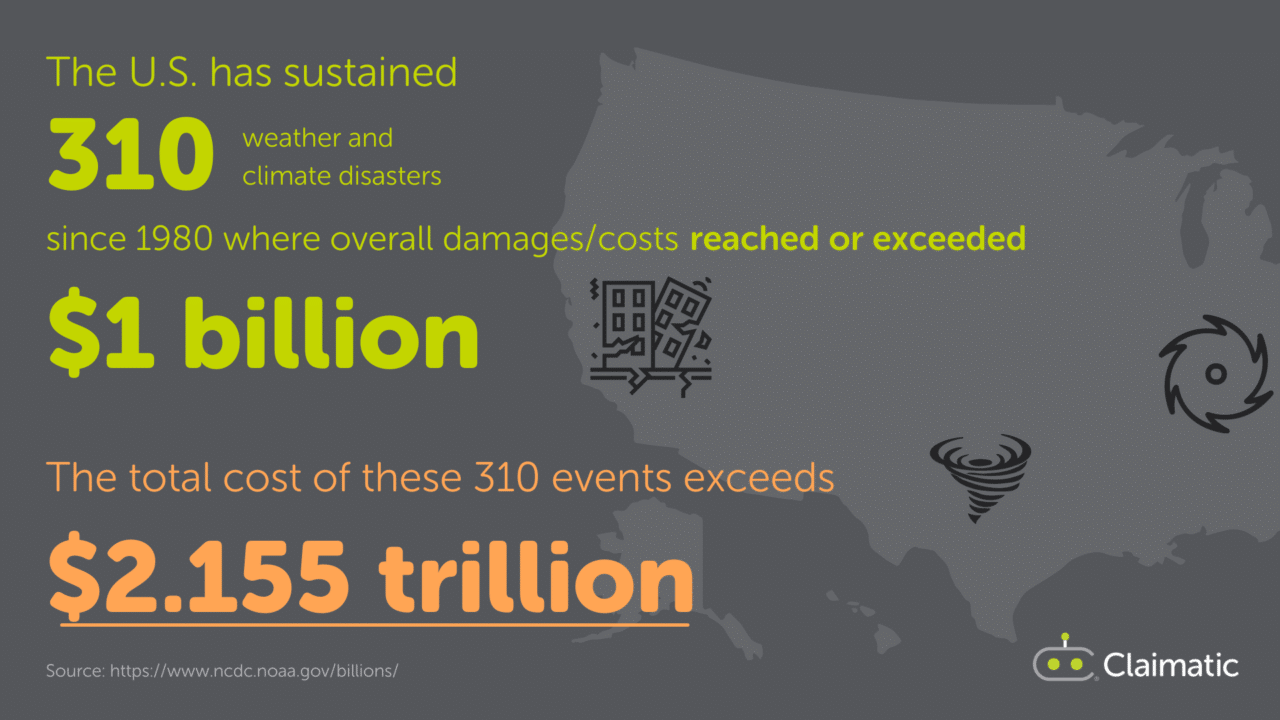
In 2021, insured losses from natural disasters again exceeded the previous 10-year average. This is in line with the annual trend of 5-6% rise in losses seen in recent decades, according to Swiss Re. The two costliest natural disasters of the year were both recorded in the US, including Hurricane Ida which caused $30-32 billion in estimated insured damages.
When natural disasters strike, projected loss is extremely difficult to calculate. How bad is the situation going to be? How many people will need our services? What resources are available and how soon can we deploy them? Those things are different every single time and no amount of proactive CAT management can take care of all a carrier’s needs.
It’s no secret that burnout is prevalent in the insurance industry, especially during CAT events. It requires being on call and working long hours under stressful and dangerous conditions.
In a time when teams must be at the top of their game to triage requests and respond quickly, carriers find themselves compensating for thin resources, employee attrition, and low productivity as a result of stress.
Here’s the all too common nightmare scenario: an insurance carrier is managing data outside of systems in Excel for a CAT event – yikes! Yes, natural disasters require additional data to help sift through claims. But that all needs to be present and actionable in the system where employees work every day.
And while extra hands on deck are usually essential, carriers struggle to know exactly what tier of resource is needed and how to help external adjusters understand local regulations. These range from full-time employees to 1099 contractors to independent adjusters, which vary in cost and are best suited for different scenarios.
Decisions need to be made fast since CAT events cause terrible disruption and pain in the lives of those affected. Many carriers are not able to react in real time as situations further develop, whether it’s because disconnected data is filtering in or team communication goes out the window. This leads to an inefficient use of resources: you might send an adjuster when it’s not needed in a certain area or miss an opportunity to reroute certain types of claims.
Additionally, every state has different regulations around communication after FNOL and claims re-assignment. These all need to be followed to provide good customer service and avoid penalties.
Claimatic is the insurance industry’s first SaaS solution dedicated to automating claim triage and assignment for optimal routing. By enabling your operations team to incorporate an unlimited array of decision criteria, the most ideal resources are assigned to each claim (even during CAT events!). This augments the capabilities of existing core claims management platforms using the data you already have.
If you’re like many carriers currently pursuing a move to cloud, Claimatic can improve your operations around your legacy system today and also transition with you in your digital journey.
Here’s how Claimatic solves the challenges of CAT management.
You won’t need a developer to create and modify rules – no code required! Build rules using if/then logic and then drag-and-drop them into place.